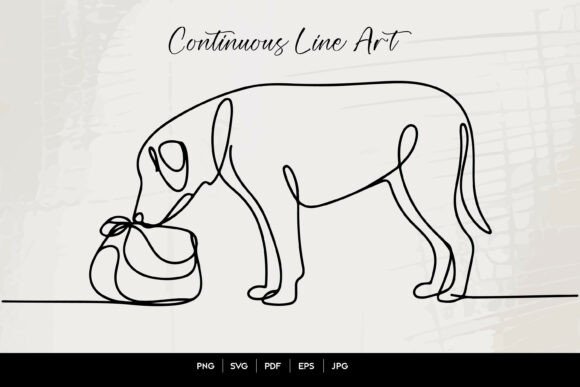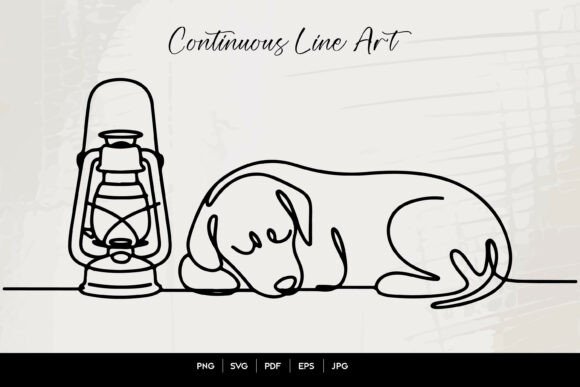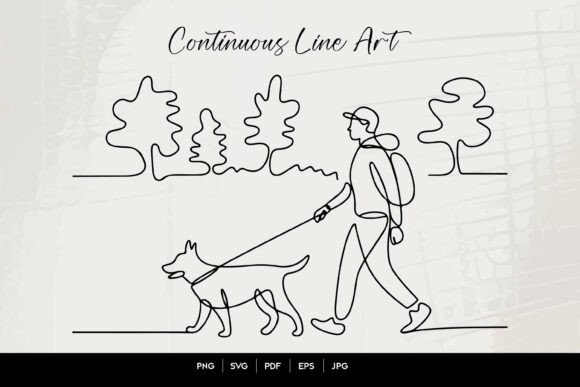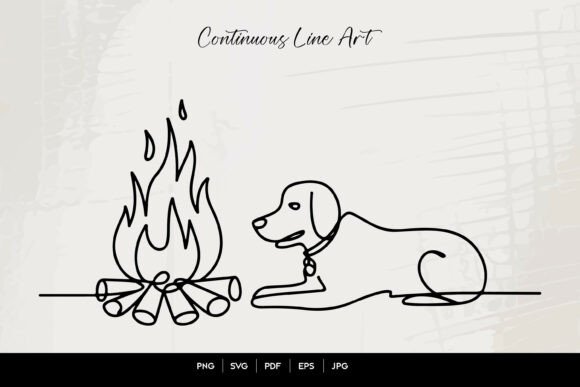
Sleeping Dog Continuous Line Art Review
A Calm and Minimalist Embroidery Design for Modern Projects
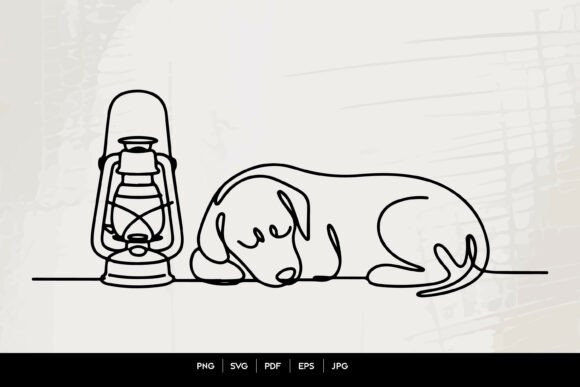
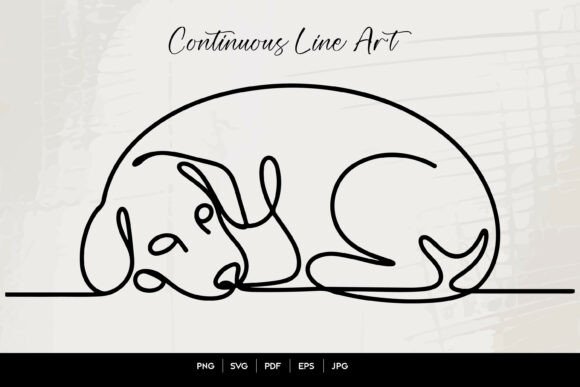
When I first saw the Sleeping Dog Continuous Line Art, I was struck by its simplicity. The design feels peaceful, almost meditative, with a clean, flowing line that captures the essence of a dog in a relaxed state. It’s not overly detailed, which is perfect for those who want a subtle yet meaningful addition to their embroidery projects.
The minimalist nature of this design makes it ideal for a variety of handmade items. Whether you're creating a custom embroidered tote bag or a personalized sweatshirt, this artwork brings a sense of calm and modernity that can elevate your finished product.
How Sleeping Dog Continuous Line Art Performs in Real Embroidery Projects
As an experienced designer, I always test how a design translates from digital to fabric. With Sleeping Dog Continuous Line Art, the continuous line format ensures that the stitching flows smoothly without unnecessary breaks or gaps. This is especially useful for machine embroidery where stitch continuity is key to maintaining the visual integrity of the design.
This design would work well on a range of products like tote bags, sweatshirts, and pillow covers. Its abstract and modern look fits beautifully into nursery decor or as a personalized gift for pet lovers. The line art style also allows for creative use of thread colors and stabilizer choices, giving crafters the freedom to adapt it to different fabrics and project needs.
I imagine using this design on a baby onesie or a cozy blanket. The soft lines and gentle curves would complement the comfort of such items, making them more appealing to customers looking for something both functional and artistic.
Where to Use Sleeping Dog Continuous Line Art with Caution
While this design is versatile, there are certain situations where extra care is needed. For instance, when working with small hoop sizes, the details might get lost or distorted. It's important to review the design at actual size before finalizing your embroidery setup.
On textured fabrics or thin materials, the line may not stand out as clearly. Using a proper stabilizer can help maintain the clarity of the embroidery file and ensure the design remains crisp and defined. Similarly, when applying it to curved surfaces like caps or hats, testing the design on scrap fabric is essential to avoid any unwanted stretching or distortion.
If you plan to use this design on dark-colored fabrics, be sure to choose thread colors that provide good contrast. A black or dark gray line on a white background works well, but the same design on a navy blue fabric might require a lighter thread color to remain visible.
Design Notes for Embroidery Professionals and Crafters
Before committing to a project with Sleeping Dog Continuous Line Art, I recommend testing the design on scrap fabric. This helps identify potential issues like stitch density or running stitch flow. Also, consider how the design will look in black and white mockups to ensure it still holds up visually against different backgrounds.
Review the hoop size required for the design and make sure it aligns with your production capabilities. If you're planning to sell this design as part of your digital product offerings, confirm the licensing terms to avoid any legal complications down the line.
For Etsy sellers or craft business owners, this design could be a great addition to your portfolio of embroidery project assets. Its modern aesthetic and versatility make it suitable for a wide range of handmade products, from apron designs to holiday gifts.
Remember to check the file formats provided—PNG, SVG, EPS, PDF, and JPG—to ensure compatibility with your embroidery software and machines. While these formats are standard for most embroidery applications, confirming their suitability for your specific workflow is always a good idea.
Final Thoughts: A Thoughtful Addition to Your Embroidery Collection
Sleeping Dog Continuous Line Art is a design that speaks to the quiet moments in life. Its minimalism doesn’t mean it lacks character; instead, it invites interpretation and personalization. As a designer, I appreciate how this artwork can be adapted to fit various handmade product ideas while maintaining a cohesive visual identity.
Whether you're creating a custom apparel piece for a client or adding a unique touch to your small shop product, this design offers a balance between simplicity and sophistication. It’s a reminder that sometimes, less is more—and in the world of embroidery, that can be a powerful statement.