Running Dog Line Art Review for Embroidery Projects
A First Look at Running Dog Line Art
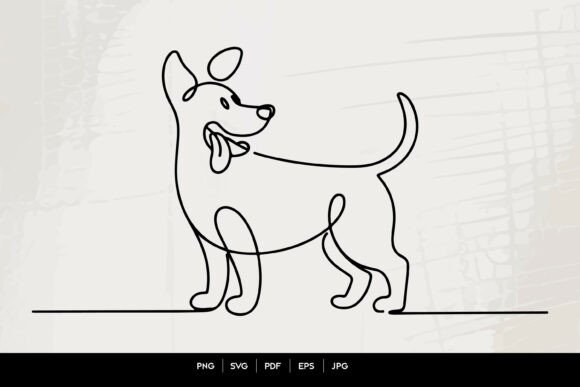
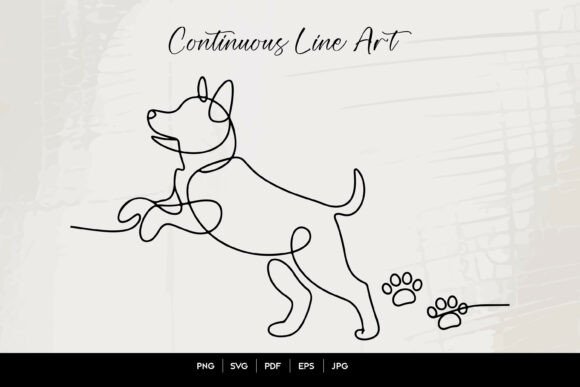
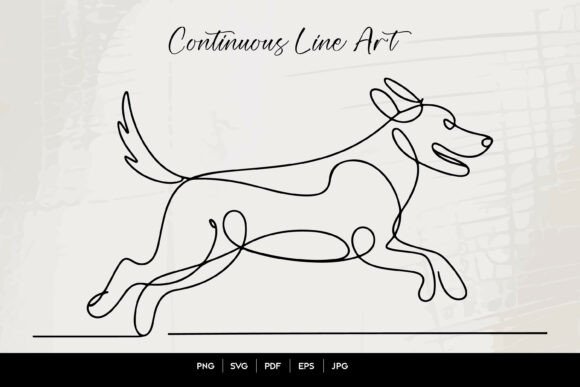
When I first saw Running Dog Line Art, I immediately felt a sense of movement and energy. The clean, bold lines capture the essence of a dog in motion, making it feel dynamic and playful. It’s not just a simple illustration—it has a visual rhythm that suggests speed and direction, which makes it ideal for projects where you want to convey action or fun.
The design is minimalist but expressive, with enough detail to be recognizable without overwhelming the fabric. This balance makes it perfect for a wide range of embroidery applications, from small patches to larger custom apparel pieces.
Real-Life Scenario: Custom Embroidered Tote Bag
Let’s say I’m preparing a custom embroidered tote bag for a local boutique. The client wants something eye-catching but not too busy. Running Dog Line Art fits perfectly here. Its line art style gives the tote a modern, artistic flair while keeping the overall look clean and professional.
I’d consider using a satin stitch around the outline to give the dog some dimension, and maybe a running stitch inside the shapes to add texture. The simplicity of the design allows for creative freedom in thread color choices—whether I go with a monochrome scheme or use bright, contrasting colors to make it pop.
One thing to note is that this design works well on light-colored fabrics. If I were to use it on a dark fabric, I’d need to test it first to ensure the contrast is strong enough for the final product to be visually appealing.
Where Running Dog Line Art Shines
Running Dog Line Art is versatile enough to be used across various embroidery projects. Here are a few examples:
- Custom Apparel: Sweatshirts, t-shirts, and caps can benefit from this design’s energetic vibe. It could be a great fit for a sports-themed collection or a casual, playful line.
- Baby Items: A cute embroidered patch or applique on a baby onesie or blanket would bring a whimsical touch to the product.
- Patches and Pouches: As an embroidered patch, this design adds personality to jackets, backpacks, or even handmade pouches.
- Gift Items: Pillow covers, tea towels, or holiday gift items like mugs and keychains can be elevated with this design’s charm.
- Commercial Embroidery: For Etsy sellers or small shop owners, this design can serve as a standalone product or part of a larger collection of digital embroidery files.
Areas to Use with Caution
While Running Dog Line Art is adaptable, there are a few scenarios where extra care is needed:
- Small Hoop Sizes: The design might lose some of its clarity if stitched on a very small hoop. Testing on scrap fabric before committing is always a good idea.
- Textured Fabrics: On burlap or canvas, the line work may appear uneven. A proper stabilizer can help maintain the sharpness of the stitches.
- Stretchy Fabrics: When using this design on stretchy materials like knits, a tear-away stabilizer will prevent distortion during stitching.
- Dense Stitch Areas: If the design has intricate details, using a lower stitch density can help avoid puckering or fabric damage.
Design Impact on Visual Appeal and Branding
The visual appeal of Running Dog Line Art lies in its ability to communicate a mood quickly. It feels friendly, lively, and approachable—qualities that resonate well with handmade products and personalized gifts. Whether it's used on a tote bag or a baby onesie, the design adds value by creating a memorable impression.
For craft businesses and Etsy sellers, consistency in branding is key. Using this design across different products helps create a cohesive look that customers can recognize and trust. It also enhances the professionalism of your finished product, especially when paired with high-quality stitching and presentation.
Embroidery Designer Notes and Best Practices
Here are a few practical tips for working with Running Dog Line Art:
- Test on Scrap Fabric: Always test the design on a scrap piece of fabric before stitching on your final project. This helps identify any potential issues with stitch density or fabric compatibility.
- Check Thread Color Contrast: Ensure the thread colors you choose provide enough contrast against the fabric background. This is especially important on dark fabrics.
- Review Stitch Density: Adjust the stitch density based on the fabric type. Thicker or textured fabrics may require a lower density to avoid stiffness.
- Confirm Hoop Size: Make sure the hoop size you’re using is appropriate for the design. Too small of a hoop can lead to incomplete or distorted stitching.
- Inspect Small Details: If the design has fine lines or small features, inspect them closely to ensure they translate well when stitched.
- Use Proper Stabilizer: Especially on stretchy or thin fabrics, using a stabilizer will help keep the design crisp and prevent shifting during the embroidery process.
- Test in Black and White Mockups: Before choosing thread colors, test the design in black and white to see how it looks on different fabric backgrounds.
- Confirm Licensing: If you plan to sell finished items or digital products featuring this design, confirm the licensing terms to avoid any legal issues.
Running Dog Line Art is a great addition to any embroidery designer’s toolkit. Its versatility, visual appeal, and adaptability make it suitable for a wide range of projects—from personal crafts to commercial designs. With careful planning and attention to detail, this design can elevate your handmade products and leave a lasting impression on your customers.